Chiropractor's introduction to the Airopedic™ chair
What the seat and the BackUup™ back are actually doing while you sit on them — explained by the chiropractors who helped design the programme.
Created by chiropractors
Keeping with health and safety standards as well as ergonomic guidelines, we strive to protect your health. The exercise program was built by our team of chiropractors especially for our chairs, using the unique Airopedic™ seat and BackUup™ chair back to enhance health, well-being and productivity at the workplace.
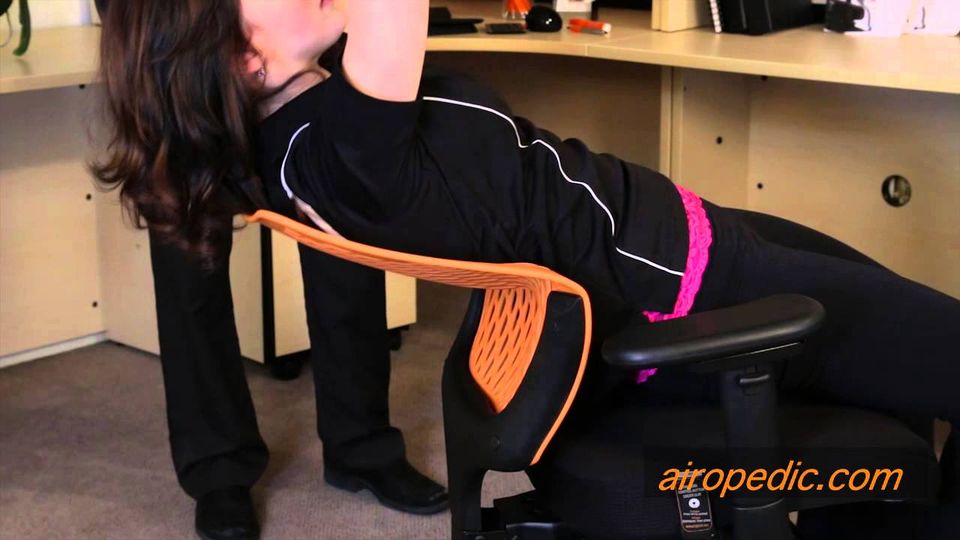
Start here
Before the routines, two introductions — what the chair is designed to do, and why movement at the desk matters.
What the seat and the BackUup™ back are actually doing while you sit on them — explained by the chiropractors who helped design the programme.
A conversation about posture, prolonged sitting and what a chair can realistically do for the person in it.
The complete series
Each one uses the chair's controlled flex, so none of them ask you to find floor space or leave your workstation. Work through them in order, or pick the one that matches wherever you're holding tension today.
Using the Airopedic™ chair to engage the core without standing up — the foundation the rest of the series builds on.
Opening out the thoracic spine and shoulders — the area that rounds forward first over a long day at a keyboard.
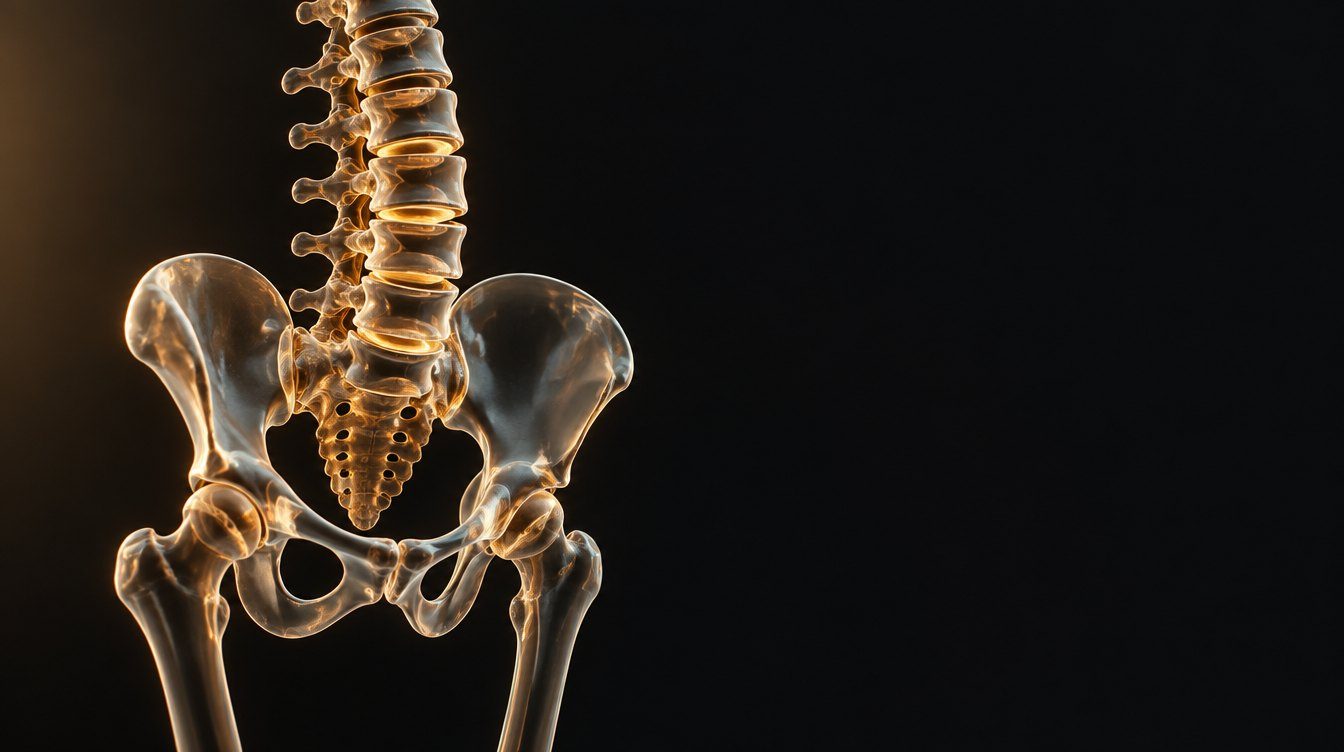
The lumbar area takes the greatest stress from sitting. This routine works it using the backrest's flex.
Releasing the shoulders and rebuilding the strength to hold them where they should sit.
Counteracting the closed, hunched position that hours at a desk quietly trains into you.
For the repetitive motions that lead to carpal tunnel syndrome and forearm strain.
The idea
Most desk-stretching advice asks you to get up and find space. This doesn't. The BackUup™ backrest flexes and the Airopedic™ seat moves with you, so the routine happens in the chair you're already sitting in.
Built to fit between meetings rather than after work — the routines are short enough that people actually do them.
The movements use the chair's controlled flex, which is why they only work properly on a BackUup™ back.
We supply office and home businesses across North America — the programme works the same in both.
Why it matters
Poor body mechanics — such as slouching in an office chair — prolonged activity, repetitive motions and fatigue are major contributors to work-related injuries. Applying ergonomic principles helps prevent work-related back pain, carpal tunnel syndrome, neck strain, lower back pain and leg pain.
For workplaces
Ask us about the exercise program when you enquire about chairs — we'll include the material with your order.